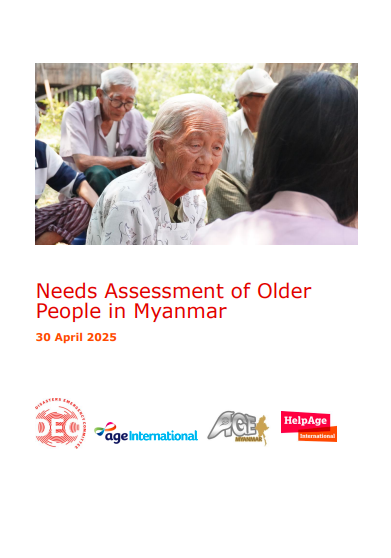
A new assessment reveals that older people affected by the March 2025 earthquake in Myanmar are struggling to access basic services and urgently need to be included in the humanitarian response. The need for assistive products is high; 51 per cent cited glasses as their primary need. Additionally, over half (52 per cent) noted a need for other types of assistive…
All Resources
Showing 91 - 100 of 467
Results are ordered by date, with most recent published resources shown first.
Use the other filters to customize your search.
Results are ordered by date, with most recent published resources shown first.
Use the other filters to customize your search.
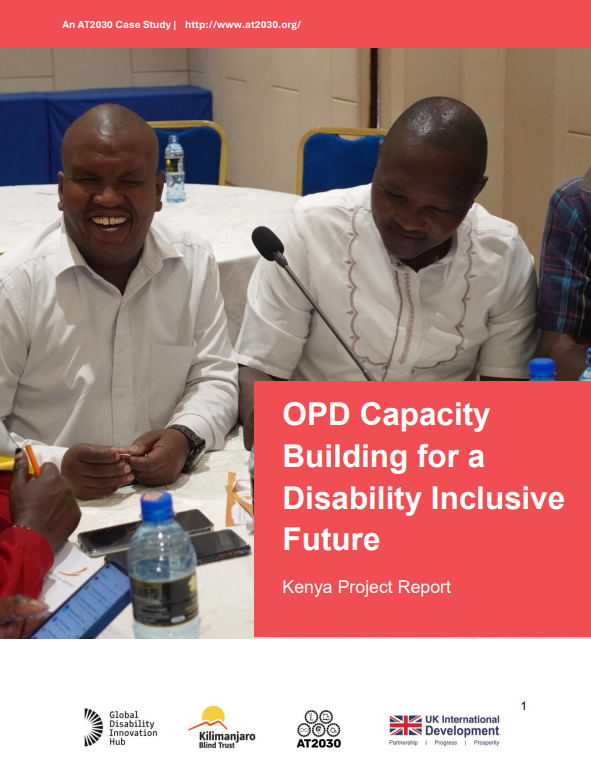
This report outlines a project aimed at strengthening the capacity of Organisations of Persons with Disabilities (OPDs) in Kenya to enhance advocacy, organisational effectiveness, digital literacy, and skills in assistive technologies.
This document outlines the importance of integrating disability inclusion into financial systems, emphasizing the role of financial inclusion, blended finance, and accessible assistive technology (AT) in driving sustainable and inclusive economic growth.
To build on its efforts in accelerating disability innovation, GDI Hub seeks to understand the attitudes of 18–24-year-old Kenyans on disability, disability sports and assistive technology.
AT2030 funded this study.
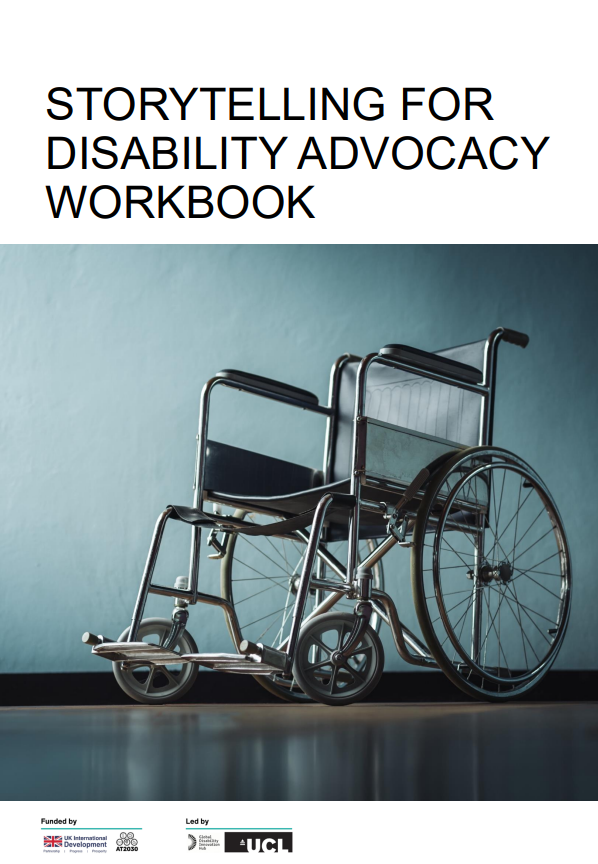
Empowers individuals and communities to articulate experiences through structured storytelling for assistive technology advocacy.
The paper provides actionable recommendations to guide inclusive policies and practices that uphold the needs, preferences and rights of older people with disabilities in development and humanitarian policy and practice.
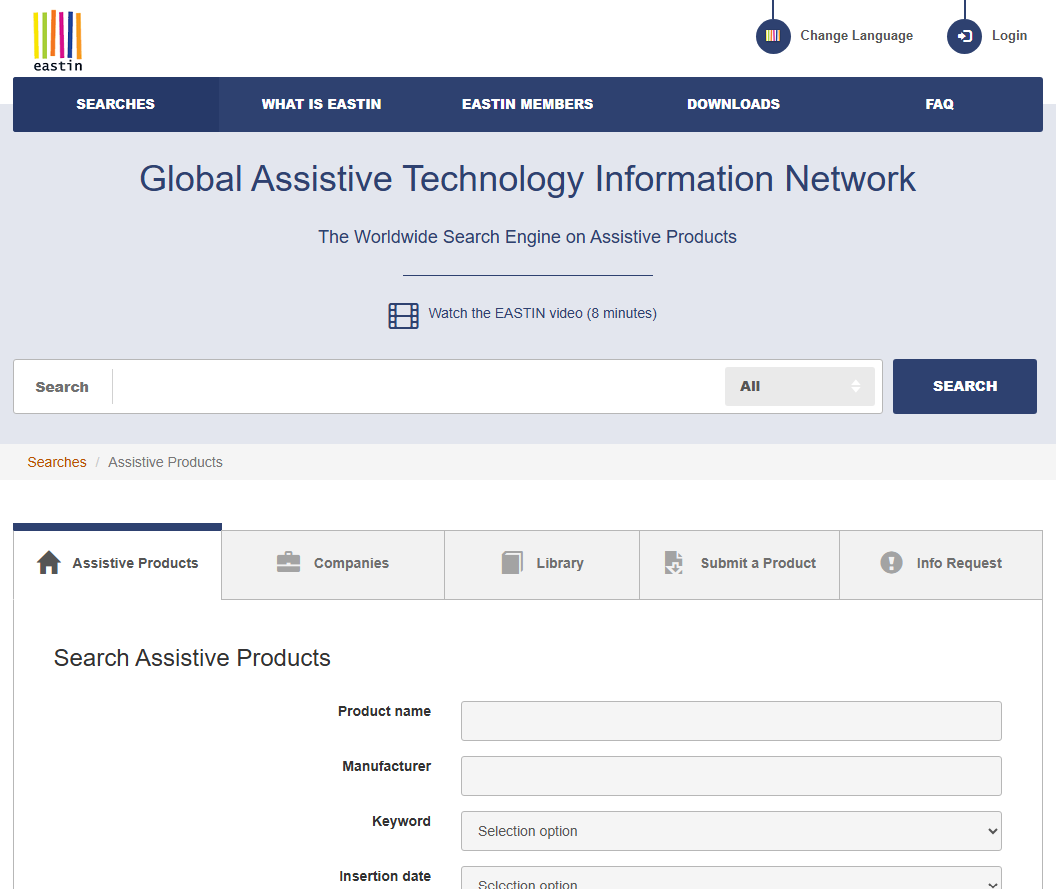
EASTIN is a network of national organizations, specialized in disseminating information in the field of assistive technology. EASTIN owns the EASTIN search engine, which offers free online access to information on thousands of assistive products from databases hosted by EASTIN members. The information includes product descriptions, pictures, technical product…
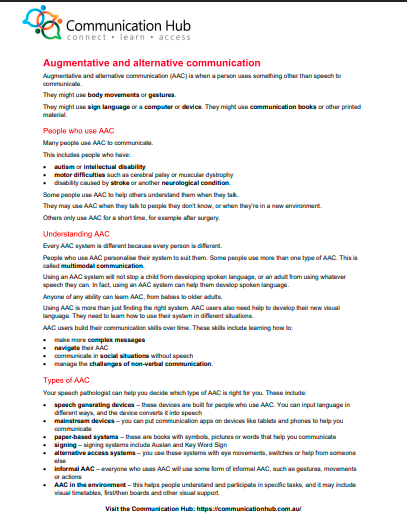
Factsheet on augmentive and alternative communication (AAC)
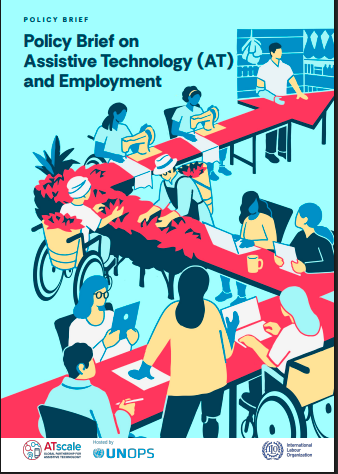
This policy brief highlights the crucial role of Assistive Technology (AT) in expanding employment opportunities for persons with disabilities and other AT users in low- and middle-income countries (LMICs). It delves into the barriers faced by both AT users in accessing and effectively utilizing AT for employment purposes, and employers in providing or integrating AT…

This technical note is an update to the 2024 Gaza injury estimate published by the World Health Organization one year ago. It was developed using the same methodology while drawing on additional data sources to triangulate findings. The report has been expanded to describe the status of rehabilitation services in Gaza, and the challenges in meeting the needs of…