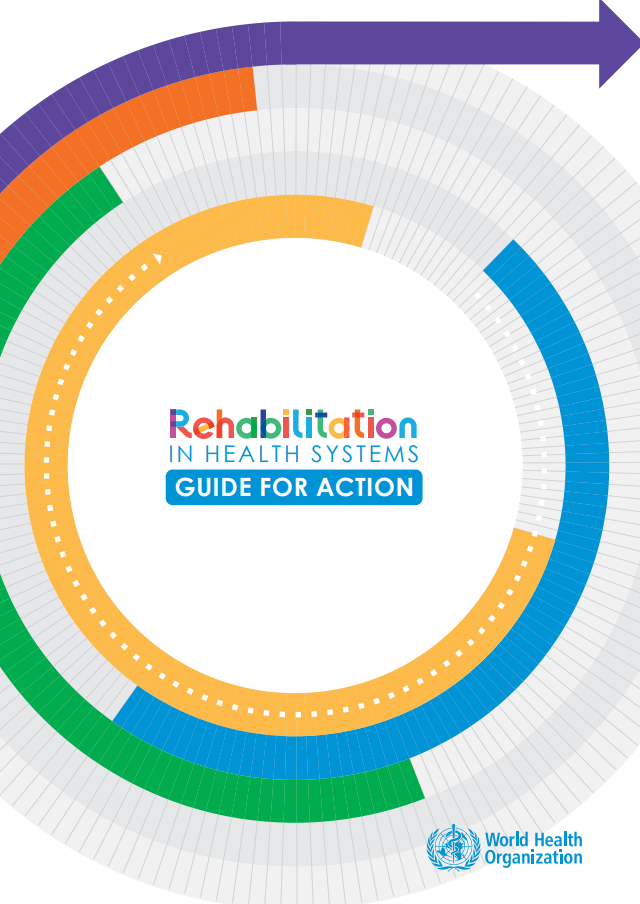
To assist countries in strengthening rehabilitation, the World Health Organization (WHO) has developed this guide, the Rehabilitation in health systems: guide for action (henceforth “the guide”). This resource leads governments through health system strengthening practices with a focus on rehabilitation. It facilitates leadership and planning for rehabilitation…
All Resources
Showing 421 - 430 of 467
Results are ordered by date, with most recent published resources shown first.
Use the other filters to customize your search.
Results are ordered by date, with most recent published resources shown first.
Use the other filters to customize your search.
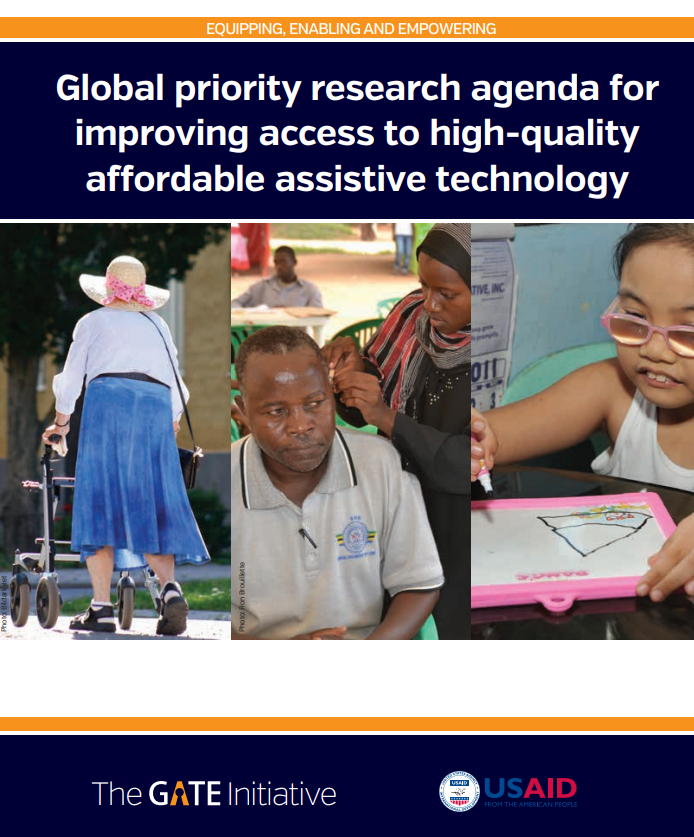
Global priority research agenda for improving access to high-quality affordable assistive technology
The purpose of this report is to share the resulting global priority research agenda and to invite researchers, states, donor agencies, user groups, civil societies and other stakeholders to initiate/support research activities that contribute to closing the gap between global assistive technology need and unmet need.
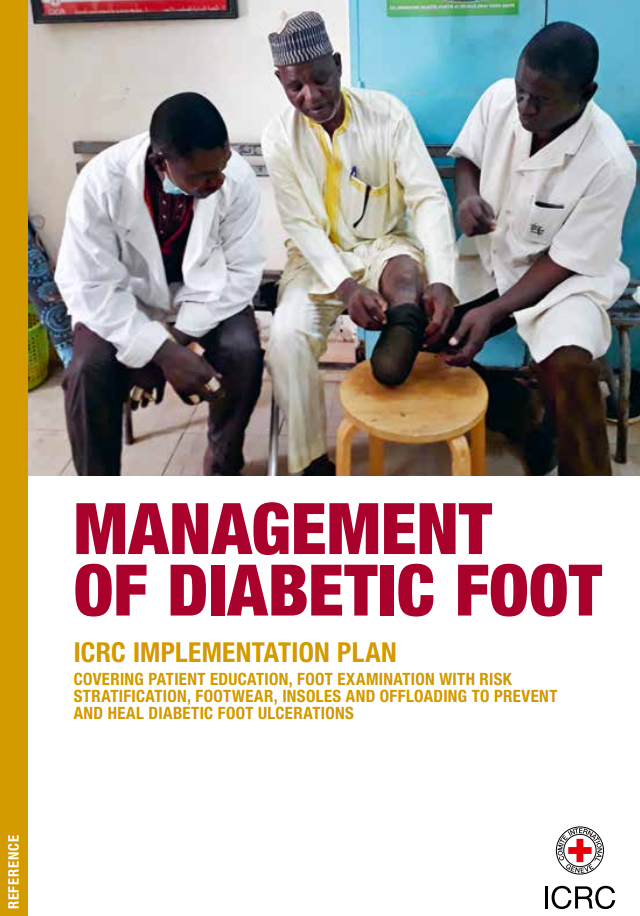
The document is an implementation plan for the management of diabetic foot, covering patient education, foot examination with risk stratification, footwear, insoles, and offloading to prevent and heal diabetic foot ulcerations.
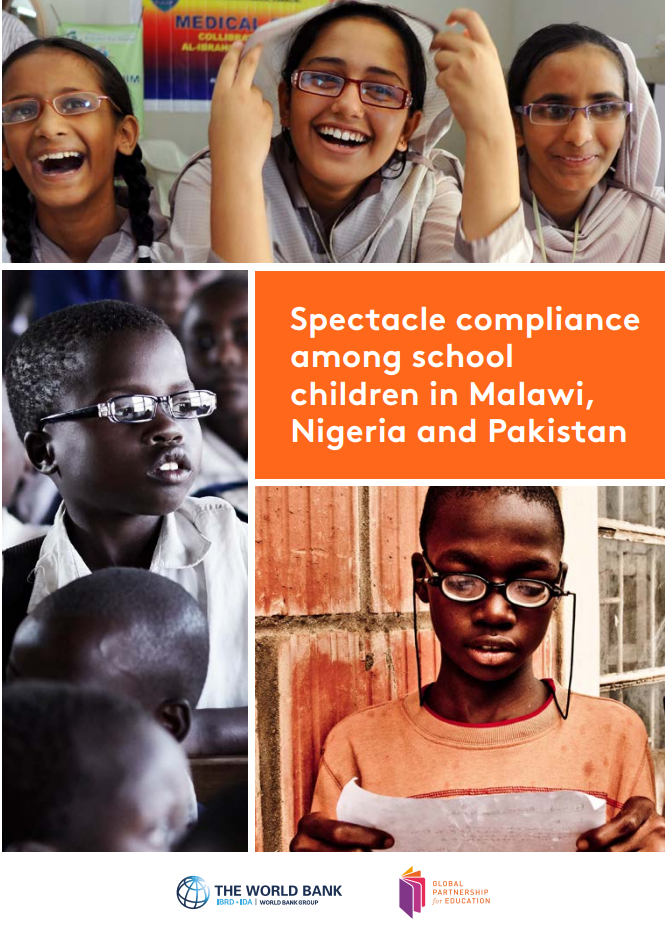
The document presents a study on spectacle compliance among school children in Malawi, Nigeria, and Pakistan. The study was commissioned by the World Bank and aimed to assess the prevalence of refractive errors and spectacle compliance among school-going children in these countries.
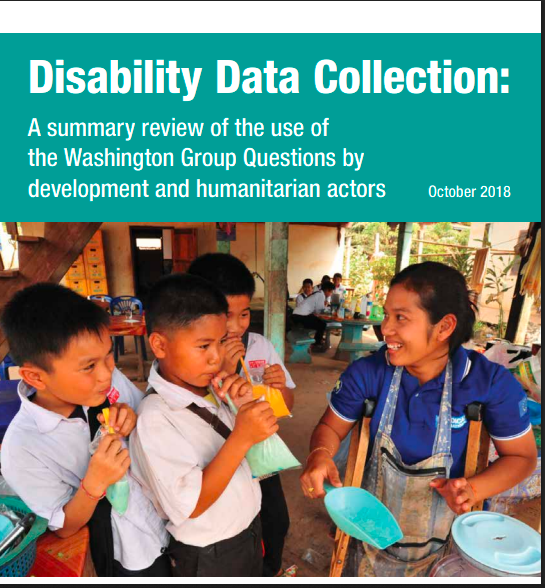
A summary review of the use of the Washington Group Questions by development and humanitarian actors
These standards provide practitioners and organisations with clear actions that can be taken to protect, support and engage older people and people with disabilities and help us all realise these commitments. They provide guidance to identify and overcome barriers to participation and access in diverse contexts, and at all stages of the humanitarian programme cycle.
Strategy framework to mainstream disability across sectors in Kenya.
A national strategy to ensure disability issues are mainstreamed across all sectors in Malawi.
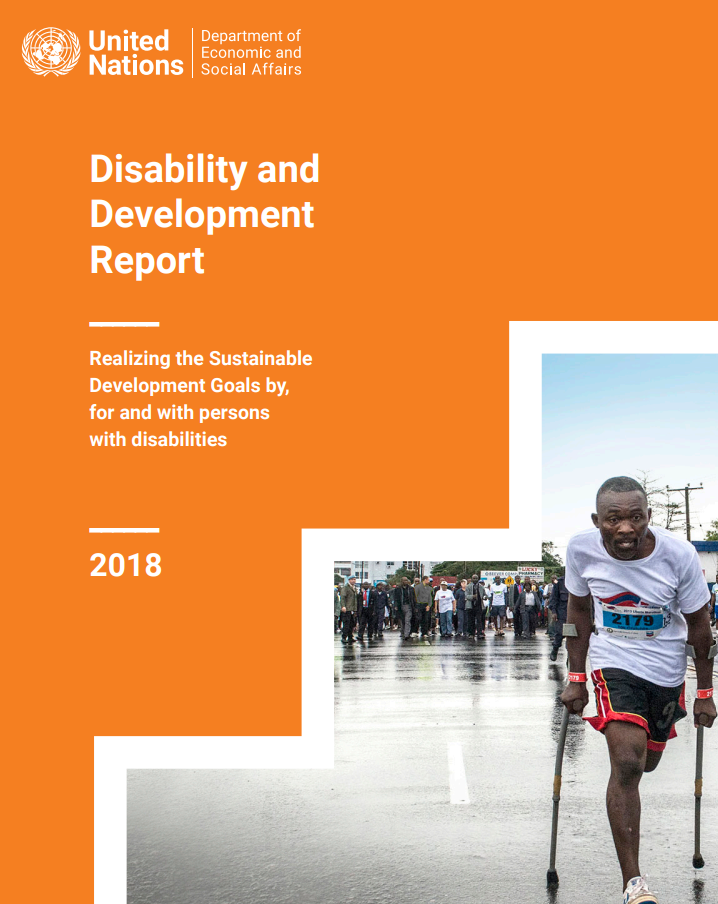
This United Nations flagship report is the first publication to address, at the global level, the nexus between disability and the Sustainable Development Goals. It is also the first global analysis based on an unprecedented amount of data, legislation and policies from over 100 countries to understand the socio-economic circumstances of persons with disabilities and…
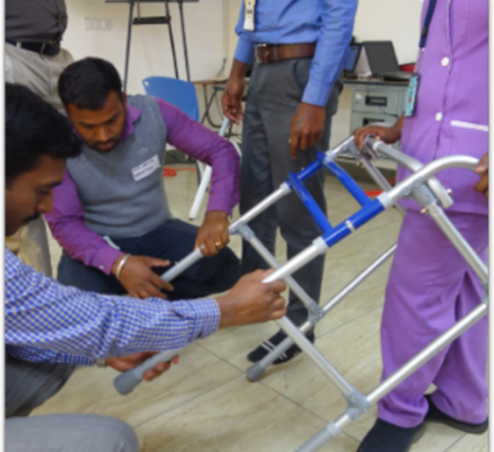
The first pilot of the training in priority assistive products package (TAP) was carried out in Bangalore, India in partnership with Mobility India and the Bangalore Baptist Hospital’s Community Health Division in collaboration with Motivation Australia, LV Prasad Eye Institute, and the University College London. This report aims to presents an overview of TAP and of…